
Why Outsourced Delivery Fails: 7 Predictability Killers
Outsourced builds slip when ownership, incentives, and workflows aren’t designed for predictability. Use this checklist to spot risk early.
Predictability is the real product you’re buying

Founders don’t choose outsourcing because they love vendors—they choose it to buy time. Yet many Seed–Series B teams discover that “more hands” still produces missed milestones, surprise invoices, and a constant need to re-explain context. The core issue isn’t talent; it’s delivery-management under uncertainty.
In distributed delivery, predictability is fragile: work moves through invisible queues, decisions get split across time zones, and accountability blurs across tools and people. When you can’t answer “Who owns this?” or “What blocks us?” in under a minute, you’re already in risk-management mode—whether you admit it or not.
This post breaks down seven common failure modes (the predictability killers) and ends with a practical diagnostic you can use in weekly reviews. It’s designed for startup-operations leaders and engineering-leadership teams who need reliable capacity without turning every release into a bespoke rescue mission.
The 7 predictability killers (and what they look like in the wild)
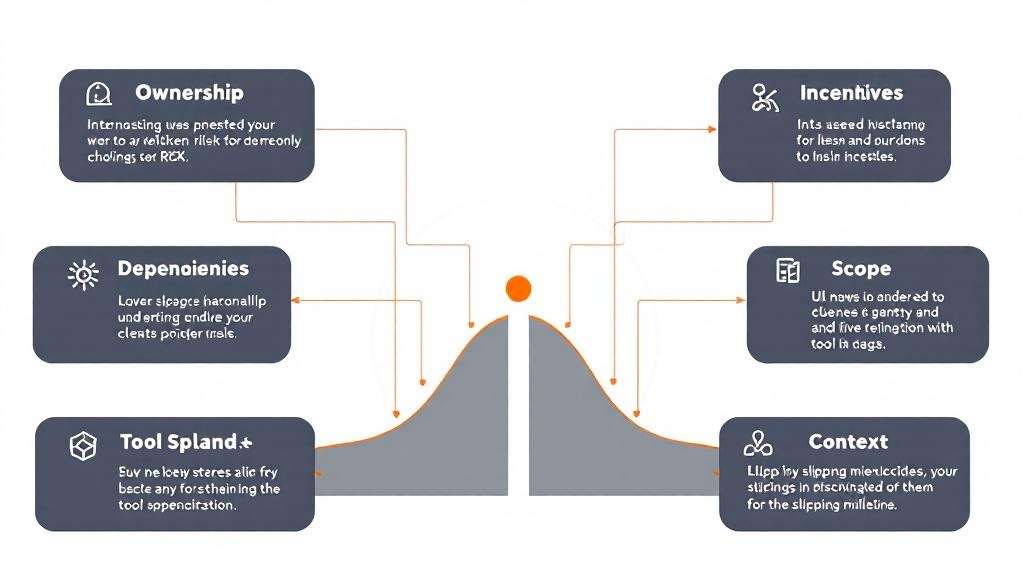
Most “outsourced delivery failures” are repeatable patterns. They show up as scope churn, rework, and late-stage surprises—but the root causes are structural. If you address them early, your outsourcing motion becomes a dependable capacity engine instead of a recurring escalation.
1) Unclear ownership (multiple approvers, no single DRI) 2) Hidden queues (work waiting in Slack, inboxes, or someone’s head) 3) Unmanaged dependencies (blocked by API access, design, data, or another team) 4) Misaligned incentives (hours billed vs. outcomes delivered) 5) Ambiguous scope & acceptance criteria (done means “kind of”) 6) Tool sprawl (Jira, docs, GitHub, and payments telling different stories) 7) Context fragmentation (handoffs lose decisions, rationale, and edge cases)
In practice, these killers compound: tool sprawl creates hidden queues; hidden queues hide dependencies; dependencies trigger scope ambiguity. Strong delivery-management treats these as system design problems—owned artifacts, explicit gates, and one source of truth—so engineering-leadership can steer by signals, not anecdotes.
A diagnostic checklist + leading indicators to catch slip before it happens
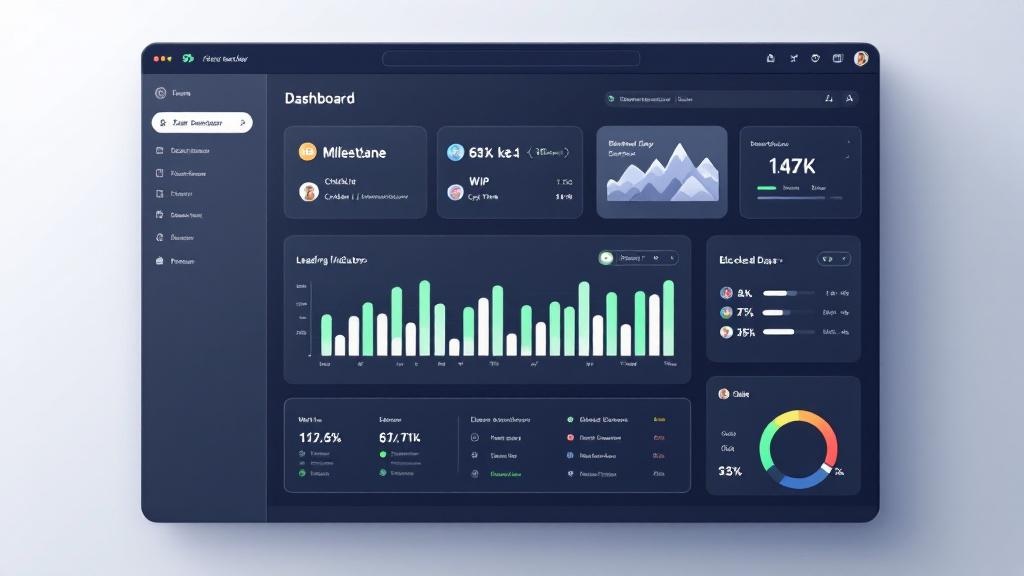
Use this quick checklist in weekly planning to reduce variance in startup-operations and improve risk-management discipline: - DRI clarity: One owner per milestone; approvers listed; escalation path defined. - Single workflow: Scope, decisions, and progress live in one thread/system of record. - Dependency map: External inputs named, dated, and tracked (access, APIs, design, data). - Definition of done: Acceptance criteria + test plan agreed before build starts. - Change control: Every change request has impact (time/cost) and an approval gate.
Leading indicators to monitor (before deadlines move): rising WIP, more “blocked” days per ticket, increasing review cycle time, late requirement changes, and mismatches between roadmap dates and actual merged/QA-ready work. If these trend up for two weeks, you’re not behind “yet”—you’re accumulating slip.
Teams that standardize contracts, milestone templates, collaboration, and billing reduce the surface area where predictability breaks. That’s the philosophy behind SprintPod Collective’s managed marketplace approach: align incentives and workflow so distributed delivery feels less like vendor roulette and more like reliable capacity.